A Field Guide to Everyday Soundscapes: Mapping the Weekend in Your Home
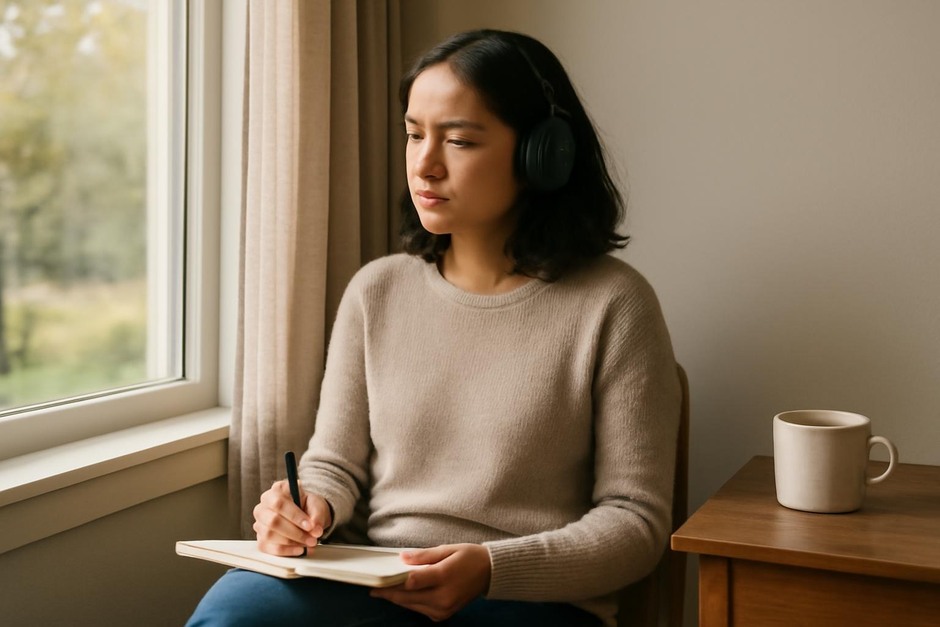
Observation: on a Saturday morning, the kettle’s first blurred whistle seems louder than it should. The clock in the hall keeps its slow, dry beat; a neighbour’s garage door has a distinct scratch; birds trade a few quick notes over the roof. These are ordinary sounds, the kind you barely notice until you try to write them down. Treating them as data makes them interesting and quietly anchoring. This field guide is a small method for noticing, recording, and curating the everyday sounds that shape a weekend at home.
1. Begin with a 10-minute listening session
Set aside ten minutes twice: once in the morning and once in the late afternoon. Sit in a familiar spot—at the kitchen table, on the couch, or by a window. Make a small list: time, seat, weather, and one-line context (“making coffee,” “reading,” “just woke up”).
During the ten minutes, do three things: listen, label, and note intensity. Listen without trying to identify everything. When a sound draws your attention, label it briefly—”fridge hum,” “truck, far,” “laughter through wall.” Note intensity on a simple 1–5 scale: 1 for barely there, 5 for jarring. The goal is not perfect terminology but a map of what your attention tracks.
2. Capture with lightweight tools
You do not need a studio microphone. A smartphone and a small notebook are enough. For each listening session, record one short audio clip (30–90 seconds) of the ambient sound and write those few labels beside it. Use your phone’s voice memos or a simple recorder app. If you prefer, time-stamp moments in the recording and add matching notes.
Keep filenames and notes consistent. A quick format works well: “Sat-AM_9-05_kitchen” or “Sun-PM_17-20_balcony.” Consistency makes it easier to compare later. If you want to be a bit fancier, place a checkmark next to recurring sounds: HVAC, traffic, footsteps, or wildlife.
3. Turn observations into a simple catalog
After two or three sessions, open your notes and look for patterns. Create a short catalog with these columns: sound label, frequency (how often it occurred across sessions), time of day, and a one-line note about context or feeling (“comforting hum,” “interrupts reading”). This is not scientific sampling; it’s a curated diary of what inhabits your attention.
Use this catalog for two practical purposes. First, to notice rhythms: perhaps an engine noise always begins just after 8 a.m. or birds peak before breakfast. Second, to identify small adjustments you can make to the environment: a rug to soften footsteps, a plant by the window to distract from a distant drone, or a different seat for quieter afternoons. The aim is modest—improve the lived experience by understanding it.
4. Make a light ritual from the data
Choose one small practice that feels doable and pleasant. Options include a weekly “soundwalk” through the apartment where you stand in each room for two minutes and jot the most striking sound, or a Sunday playlist composed of your short recordings mixed with music or silence. Another simple ritual: the evening session where you replay one short clip and spend three minutes reflecting on what it reveals about the day.
Keep the ritual intentionally short—five to twenty minutes. The point is to create a reliable, low-effort habit that keeps the attention trained without becoming another chore. Over a month, you will have a modest archive and a sharpened sense of how sound shapes the weekends you prefer.
Conclusion: A quieter kind of curiosity
Listening with intention reframes routine noise as a source of information and comfort. The method here is minimal: short sessions, basic recordings, a tiny catalog, and one repeatable ritual. You do not need to fix every nuisance; sometimes recognizing a sound reduces its power to annoy. Sometimes a remembered clip becomes a kind of domestic photograph—a sound that returns you to a morning, a conversation, or a pattern of light.
Try it for a single weekend. Note how your attention shifts, what surprises you, and what becomes quietly familiar. The exercise is less about achieving silence and more about knowing the texture of your domestic life. That knowledge invites small, deliberate changes and, often, a steadier, more curious way of spending a Saturday.